Case study 01 · Published
From 2.5 Seconds Away to Within One Second
How a small change in braking technique transformed the pace of an experienced sim racer.
The driver had previously competed alongside Benedek Vida in top-level Gran Turismo lobbies. When they moved into iRacing, they expected the competition to become more demanding, but they did not expect to be approximately 2.5 seconds away from Benedek’s pace at Suzuka.
The size of the gap was frustrating, especially for someone who already had considerable sim-racing experience. The driver contacted Benedek to understand why performance that had previously felt competitive was no longer translating into comparable pace.
The initial problem
Experience Wasn’t the Problem. Technique Was.
The driver already understood racing lines, competitive online racing, car control, basic braking references and track learning. iRacing exposed smaller technical weaknesses whose repeated effect became a substantial lap-time loss.
The largest initial loss came from the relationship between peak brake pressure, release timing, and rotation into the corner.
No precise brake percentages or customer telemetry values were available or inferred.
The first breakthrough
One technical correction. A different benchmark.
After applying Benedek’s initial braking advice and practising for several hours, the driver moved from approximately 2.5 seconds away to within one second.
The initial benchmark gap was approximately 2.5 seconds. After the first braking advice and practice, the gap was less than one second. This confirms more than 1.5 seconds of improvement without claiming an exact final gap.
recovered
A relatively small adjustment in braking technique produced a major improvement. The driver’s pace was not limited by a lack of talent or experience; one key technical detail had been affecting several corners across the lap.
Results vary between drivers and depend on experience, practice, equipment, car, circuit, and application of the coaching advice.
Why one change mattered
A braking error doesn’t stop at the braking zone.
A small technical mistake can repeat across ten or more corners. Even when the loss in one corner appears minor, the combined effect across a lap can become significant.
- 01Brake application
- 02Brake release
- 03Rotation
- 04Steering input
- 05Throttle timing
- 06Exit speed
The full coaching session
Moving From Advice to Structured Coaching
A few weeks later, the driver booked a complete coaching session with Benedek to continue closing the gap.
The driver completed laps while sharing their screen and explaining the reasoning behind each input and decision. Benedek observed the driving in real time, challenged decisions where necessary, and added his own technical perspective.
This allowed the coaching to address not only what the driver was doing, but why they were doing it.
- 01Initial laps
Driver establishes a working reference.
- 02Thought process
Driver explains each input and decision.
- 03Observation
Benedek watches the driving in real time.
- 04Corrections
Technical changes are explained immediately.
- 05Application
The driver tests the changes on track.
- 06Review
Performance and decision-making are compared.
- 07Priorities
The next development focus is established.
Session results
Faster now. More potential identified.
Negative lap-time values represent a faster result relative to the previous completed-lap reference.
Relative to the previous completed-lap reference, the new completed lap was 0.3 seconds faster and the combined optimal sectors represented 0.5 seconds of improvement.
Results vary between drivers and depend on experience, practice, equipment, car, circuit, and application of the coaching advice.
Development journey
From proven experience to a new technical standard.
The result was not one isolated breakthrough. It was a sequence of diagnosis, application, review and new priorities.
- 01Gran Turismo experience
Top-lobby competitive background.
- 02Transition to iRacing
A more demanding technical reference.
- 03Initial benchmark
Approximately 2.5 seconds away at Suzuka.
- 04First advice
Brake application and release identified.
- 05Within one second
More than 1.5 seconds recovered after practice.
- 06Full coaching session
Inputs, decisions and technique reviewed.
- 07Completed lap
0.3 seconds faster.
- 08Optimal potential
0.5 seconds faster across best sectors.
- 09Next focus
Earlier throttle application with available grip.
Technique development map
Progress without invented scores.
This qualitative map shows where the coaching began, what improved and what remains a development priority. It does not assign numerical ratings.
Corner technique diagram
The phases Benedek was connecting.
Brake pressure, release, rotation and throttle application form one continuous sequence. Improving one phase changes the options available in the next.
Illustrative technique diagram — not raw customer telemetry.
Techniques identified
Three connected development areas.
Each priority was explained in the context of grip, balance and the driver’s actual decision-making—not as a universal rule.
Brake-Pressure Management
The initial breakthrough came from adjusting how brake pressure was applied and released during corner entry. Improving this phase helped the driver approach the corner with greater control and carry more effective speed.
Steering Efficiency
The driver previously used more steering input than necessary. During the later coaching session, Benedek noted that this habit had already improved.
- Less tyre scrub
- Stronger minimum speed
- More stable car balance
- Fewer delays to throttle application
Earlier Throttle Application
The next development priority was applying throttle earlier when exiting medium- and high-speed corners—only where available grip and car balance allowed it.
- Exit speed
- Acceleration onto straights
- Lap-time consistency
- Confidence in the car’s balance
Confirmed development stages
The evidence, in sequence.
Only outcomes supplied in the driver’s account are included.
| Stage | Main issue or focus | Confirmed result |
|---|---|---|
| Initial benchmark | Significant braking-technique loss | Approximately 2.5s from benchmark |
| Initial advice | Brake application and release | Reduced to within 1.0s |
| Full session | Steering, decision-making, throttle timing | 0.3s faster completed lap |
| Identified potential | Combining stronger sectors | 0.5s faster optimal lap |
| Next priority | Earlier throttle application | Ongoing development |
Driver reflection
A faster lap—and a clearer next step.
What Changed
- Better understanding of braking technique
- More efficient steering
- Clearer corner-entry process
- Earlier throttle focus
- Improved ability to identify where time was being lost
- A more structured practice direction
What Comes Next
- Combine the best sectors into one complete lap
- Improve consistency at the new pace
- Refine throttle application
- Reduce off-track moments while maintaining speed
- Apply the same principles to other cars and circuits
Coaching impact
The Goal Wasn’t Only a Faster Lap.
The driver left with a clearer understanding of their technique, the reasons behind the lap-time loss, and the specific areas that still required work. The greatest value was not one isolated lap, but a repeatable process for future development.
Performance changed.
- More than 1.5 seconds recovered after the initial correction
- 0.3 seconds gained during the later complete session
Technique became clearer.
- Clear explanation of the braking issue
- Better awareness of steering efficiency
- New understanding of throttle timing
The next work was defined.
- 0.5 seconds of optimal improvement identified
- Clear development priorities
- A process transferable to other tracks
“I had asked Beni for advice several times when I started iRacing. We had raced together in top Gran Turismo lobbies, so I knew the competition would be stronger, but I could not understand why I was approximately 2.5 seconds away from his pace at Suzuka.
I contacted him immediately. He identified an issue with my braking technique, particularly how I was applying and releasing pressure into the corner. After practising the change for a few hours, I was within one second. A relatively small difference in technique created a huge improvement.
A few weeks later, I booked my first full coaching session. I completed laps while sharing my screen and explaining what I was thinking. Whenever Beni disagreed with something, he explained what I should do differently and added his own perspective.
With his instructions, I completed a lap three tenths faster than before, while my optimal lap was half a second quicker. I was still pushing beyond the limit in some corners, but I could now see what I needed to put together.
We also identified that I had improved my habit of using too much steering input. My next priority is getting onto the throttle earlier through medium- and high-speed corner exits.
Beni is extremely helpful, patient, and very easy to work with.”
 Owner & Coach
The coach behind the development
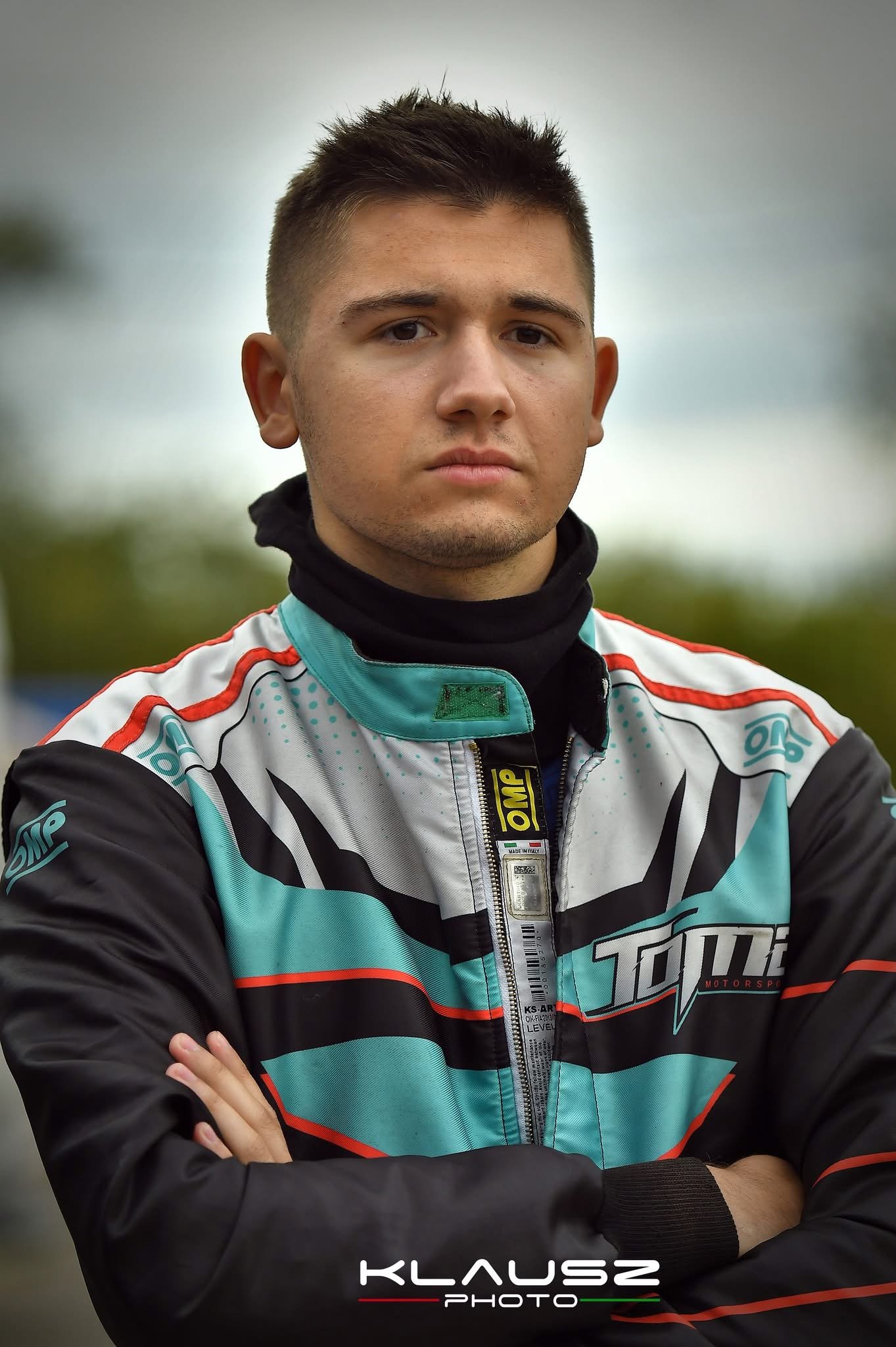
Benedek Vida
Benedek combines championship-winning karting experience, formula-car competition and professional iRacing performance with a calm, analytical coaching approach.
Supported categories: Formula cars, GT and endurance cars, karts and selected prototypes.
Methodology
How This Case Study Was Built
This case study is based on the driver’s account of their experience and the confirmed performance changes shared with Race Development. No private telemetry, personal information, photographs, or identifying details have been published.
- Driver identity anonymised
- Results supplied by the customer
- No raw telemetry published
- No guaranteed outcome implied